
About Me
I am Jiatuo “Charlie” Zou, a researcher in Human-Computer Interaction (HCI) and a graduate of Columbia University (M.S.). I recently joined the SPICE Lab at Northwestern University, advised by Karan Ahuja. Previously, I was a research assistant in the CGUI Lab at Columbia University, working with Steven Feiner.
Research interests
Today’s interfaces make people spell out every input they want. This creates two gaps:
- Effort gap: specifying every detail is possible but slow.
- Ability gap: people know their goal but not what to specify to reach it.
To close these gaps, I build context-aware interaction systems that adapt to users and their environments based on novel sensing and multimodal AI, with a specific focus on extended reality (XR), wearable computing, and human-AI interaction (HAI). I envision approaching these problems through a human-AI loop that consists of three components: sensing, sensemaking, and interaction. Sensing captures signals, sensemaking understands those signals, and interaction uses that understanding to respond, producing new signals for the next cycle.
-
Sensing
I am interested in capturing behavioral, physiological, and environmental signals through wearables and novel sensing. These measurements provide the raw evidence for sensemaking, including cues that are difficult to convey through explicit input alone.
-
Sensemaking
Sensemaking turns those signals into an understanding of people's activity, intent, and context. I am interested in multimodal AI that combines complementary evidence, accounts for uncertainty and source reliability, and updates its understanding as situations change.
-
Interaction
I aim to use that understanding to build XR, wearable, and AI-assisted interfaces that adapt what they present and when they respond. As people act and respond, these interactions produce new signals for sensing, helping the system support them while keeping them in control.
News
I joined the SPICE Lab at Northwestern University.
Submitted 2 papers to UIST 2026.
Submitted a paper to ISMAR 2026.
Publications
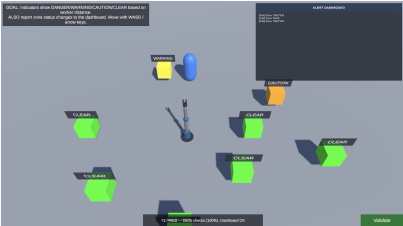
Cascade: Spatial Routing Abstractions for Human Developers and AI Coding Agents
ACM CHI Conference on Human Factors in Computing Systems (CHI), 2027. Submitted to CHI 2027; under review.
Abstract
Interactive applications built on hierarchical scene graphs often rely on complex inter-component communication. Many frameworks for developing these applications support message communication up and down the parent--child hierarchy, but require custom code to define non-hierarchical communication graphs. For example, this includes sending messages between objects based on their spatial proximity, independent of the scene-graph hierarchy. Furthermore, limited prior work has empirically evaluated whether frameworks that support non-hierarchical message routing improve developer productivity over custom code. We present Cascade, a messaging toolkit for hierarchical scene graphs that integrates composable spatial filtering primitives (proximity, direction, bounding region) directly into message routing. Unlike previous work, it enables developers to create non-hierarchical communication graphs that express complex routing patterns in a single chained expression. We evaluate Cascade through a controlled within-subjects experiment comparing task completion time, code correctness, cognitive load, and usability for Cascade and event-based messaging across tasks in robot teleoperation and Internet of Things (IoT) domains.
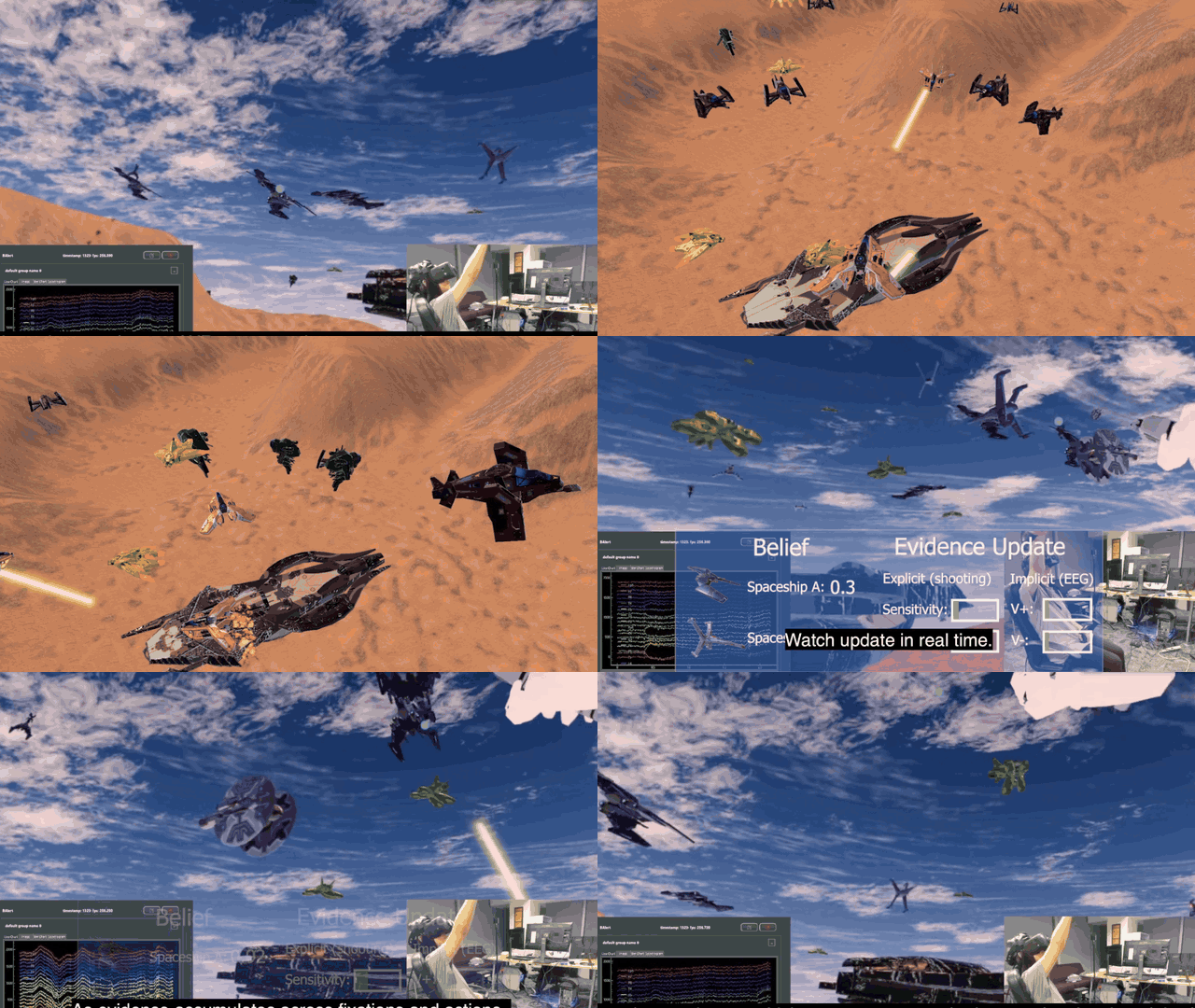
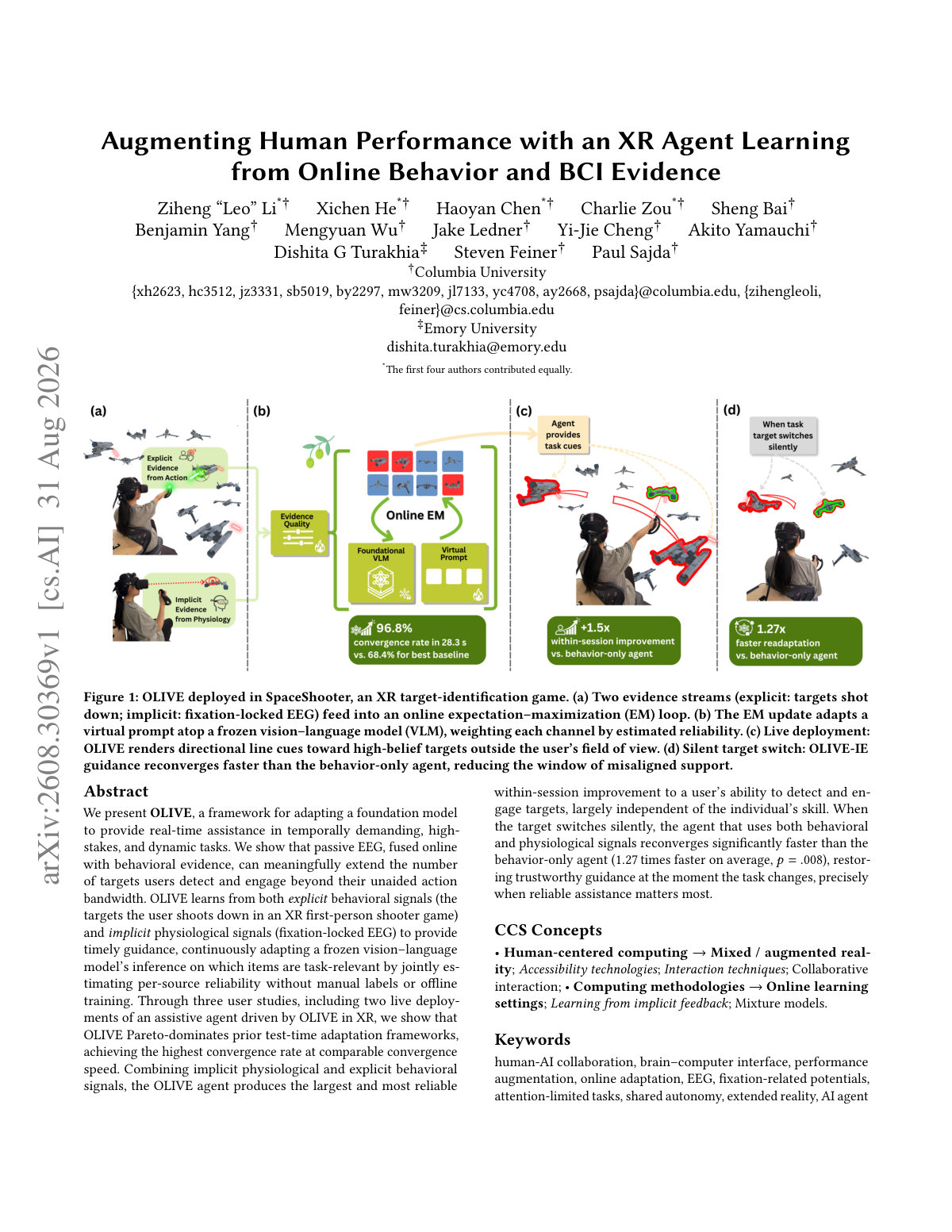
Augmenting Human Performance with an XR Agent Learning from Online Behavior and BCI Evidence
ACM Symposium on User Interface Software and Technology (UIST), 2026.
* Co-first authors; equal contribution.
[Paper] [arXiv] [Preview] [Video]
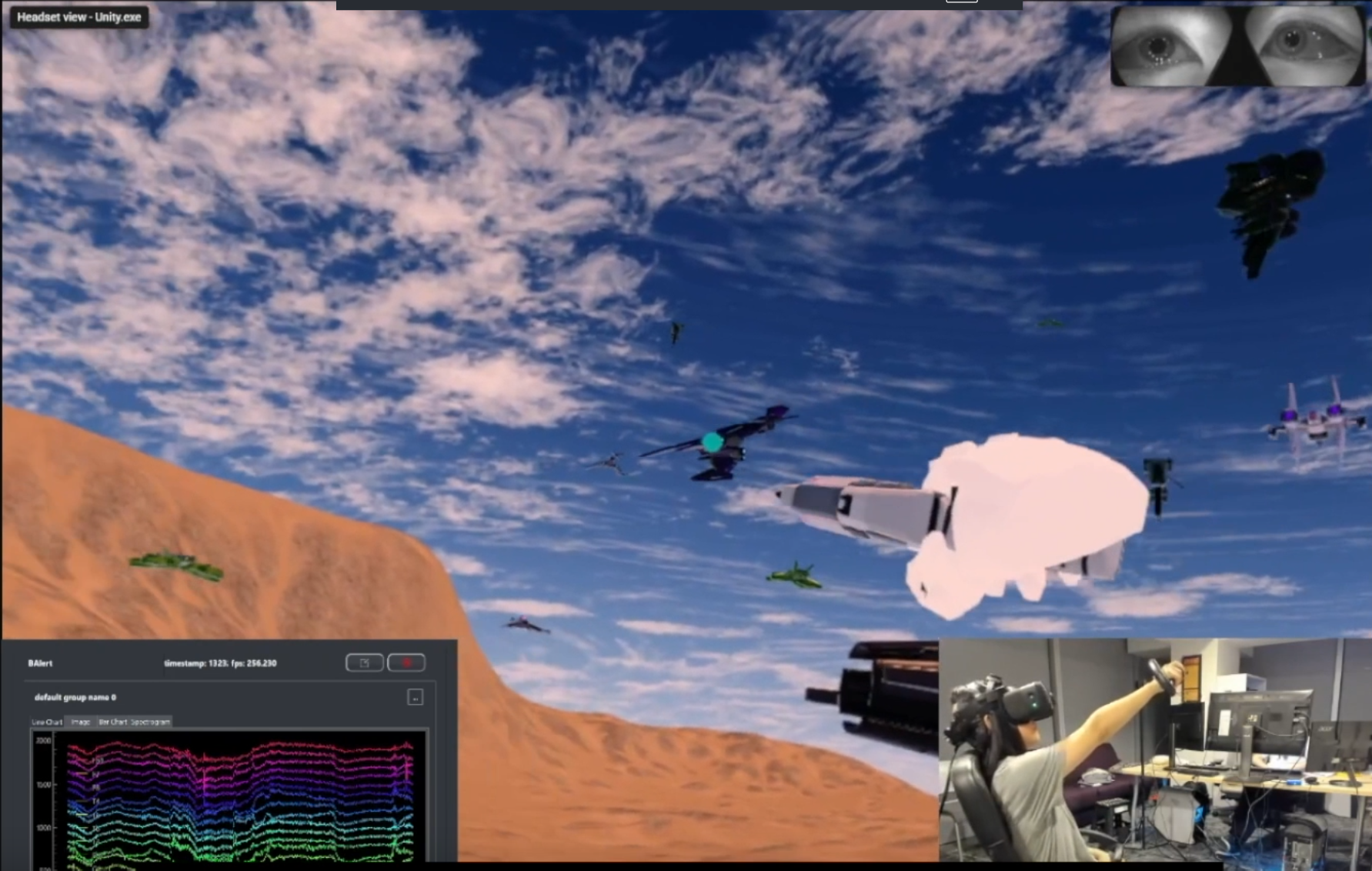
An adaptive XR assistant that learns from behavior and brain signals to provide timely guidance in demanding, dynamic tasks.
Abstract
We present OLIVE, a framework for adapting a foundation model to provide real-time assistance in temporally demanding, high-stakes and dynamic tasks. OLIVE learns from both explicit behavioral signals (user actions) and implicit physiological signals (fixation-locked EEG) to provide timely guidance to supplement the user's perceptual and action bandwidth. By fusing these complementary channels, OLIVE continuously adapts a frozen vision-language model's belief about which items are currently task-relevant, jointly estimating per-source reliability without manual labels or offline retraining. Through three user studies, where we deploy an assistive agent driven by OLIVE in XR, we show that OLIVE outperforms prior test-time adaptation frameworks in both convergence time and rate. Compared to learning from explicit behaviors alone, the agent combining implicit and explicit learning signals improves user performance, achieving 45% more target coverage. When targets shift silently mid-block, the combined agent re-adapts 2.1x faster than the behavioral-only baseline. These results show OLIVE can be built toward empowering adaptive co-pilot systems that extend human performance under demanding operational conditions.
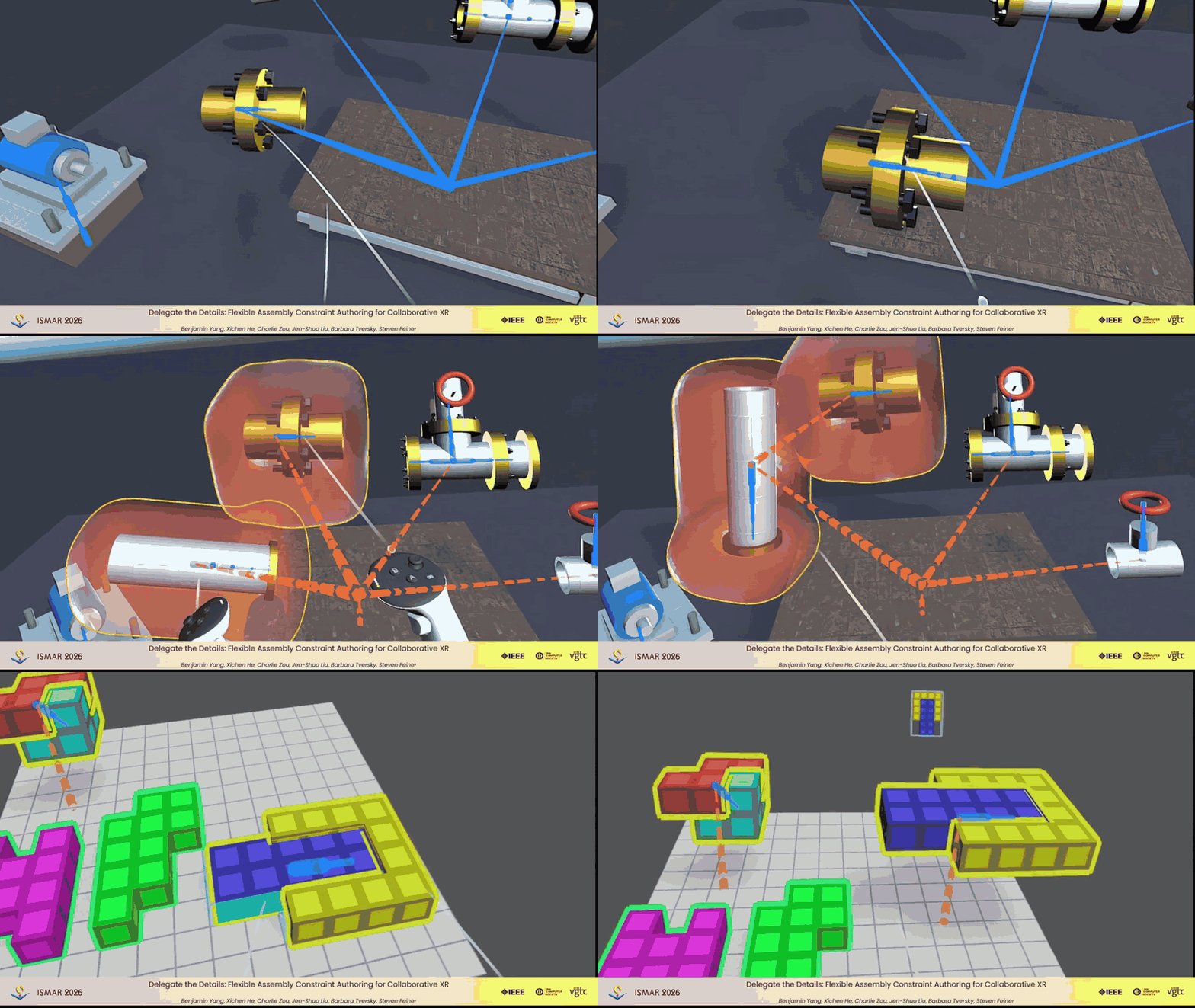
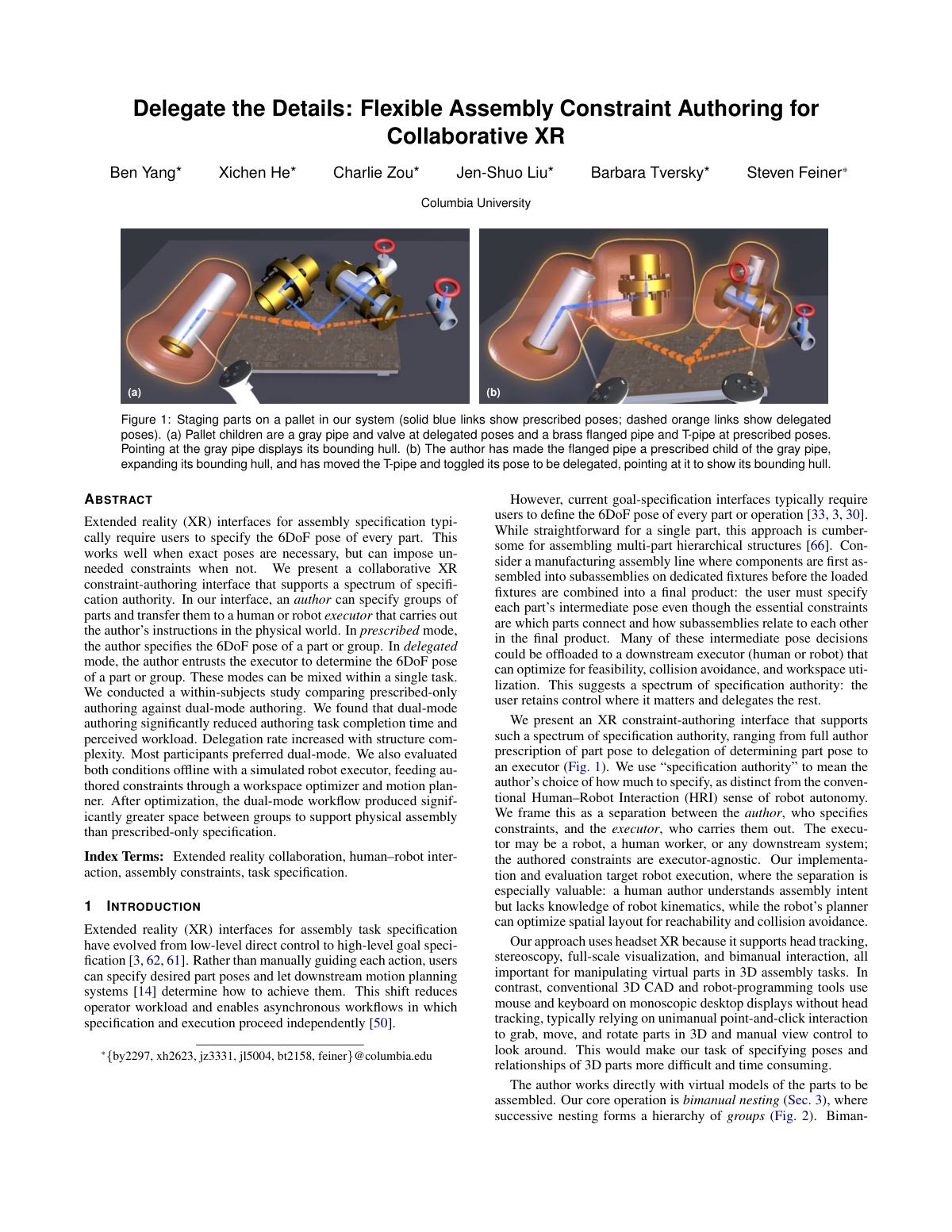
Delegate the Details: Flexible Assembly Constraint Authoring for Collaborative XR
IEEE International Symposium on Mixed and Augmented Reality (ISMAR), 2026.
A collaborative XR interface that lets authors choose what to specify precisely and what to delegate to a human or robot executor.
Abstract
Extended reality (XR) interfaces for assembly specification typically require users to specify the 6DoF pose of every part. This works well when exact poses are necessary, but can impose unneeded constraints when not. We present a collaborative XR constraint-authoring interface that supports a spectrum of specification authority. In our interface, an author can specify groups of parts and transfer them to a human or robot executor that carries out the author's instructions in the physical world. In prescribed mode, the author specifies the 6DoF pose of a part or group. In delegated mode, the author entrusts the executor to determine the 6DoF pose of a part or group. Both modes can be mixed within a single task. We conducted a within-subjects study comparing prescribed-only authoring against dual-mode authoring. Results show that dual-mode authoring significantly reduced authoring task completion time and perceived workload. Most participants significantly preferred dual-mode, with delegation rate scaling with the complexity of authored structures. We also evaluated both conditions offline with a robot executor, feeding authored constraints through a workspace optimizer and motion planner. Delegated constraints achieved significantly higher inter-group clearance than prescribed-only specifications.
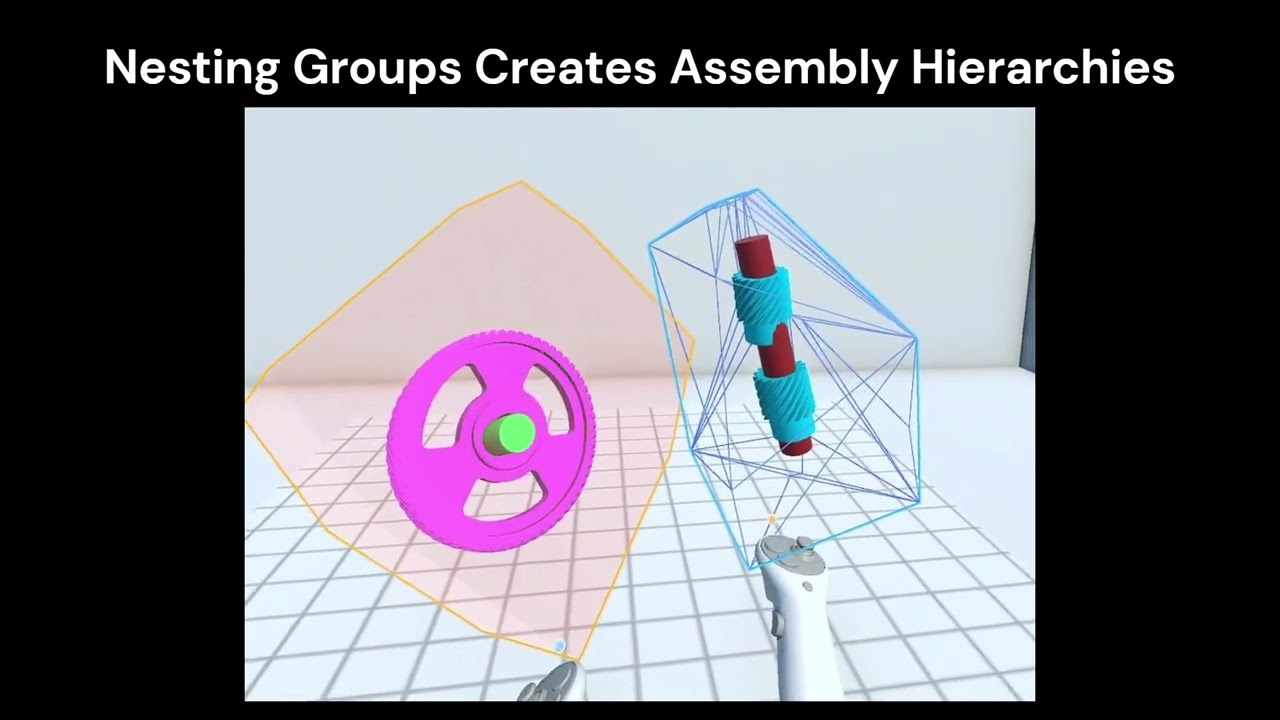
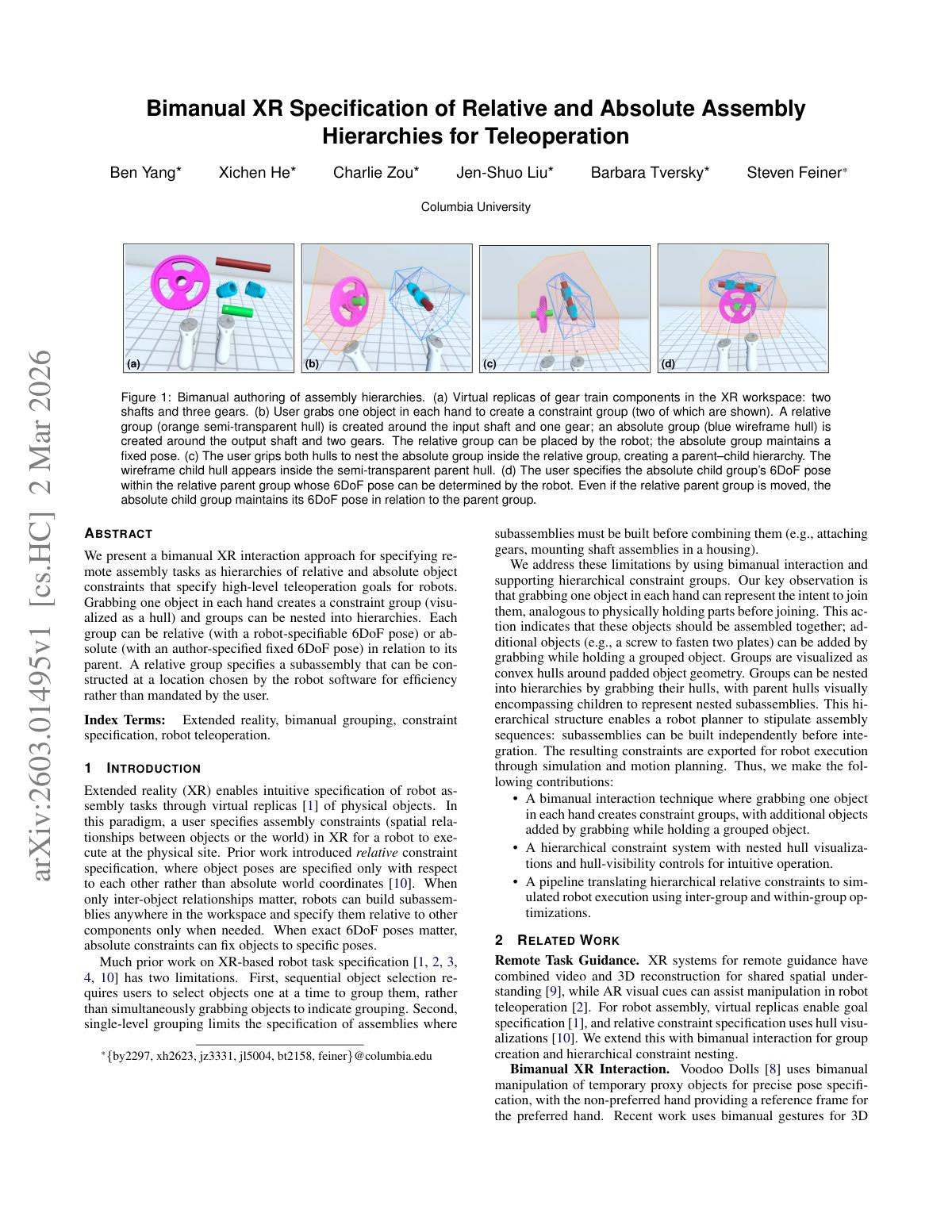
Bimanual XR Specification of Relative and Absolute Assembly Hierarchies for Teleoperation
2026 IEEE Conference on Virtual Reality and 3D User Interfaces Abstracts and Workshops (VRW), 2026.
Abstract
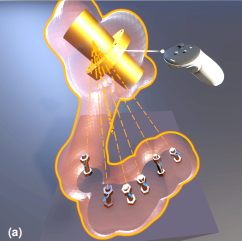
We present a bimanual XR interaction approach for specifying remote assembly tasks as hierarchies of relative and absolute object constraints that specify high-level teleoperation goals for robots. Grabbing one object in each hand creates a constraint group (visualized as a hull) and groups can be nested into hierarchies. Each group can be relative (with a robot-specifiable 6DoF pose) or absolute (with an author-specified fixed 6DoF pose) in relation to its parent. A relative group specifies a subassembly that can be constructed at a location chosen by the robot software for efficiency rather than mandated by the user.
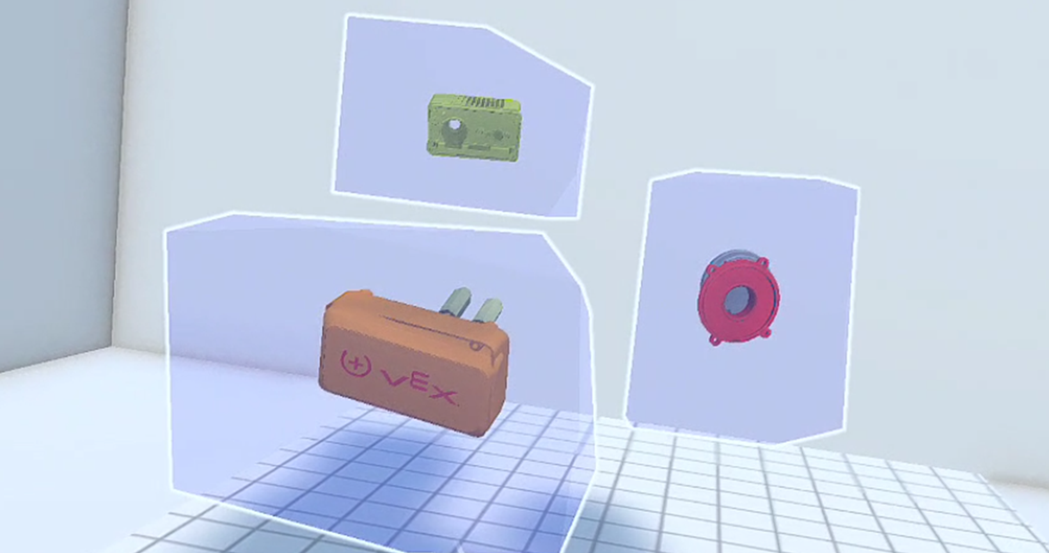
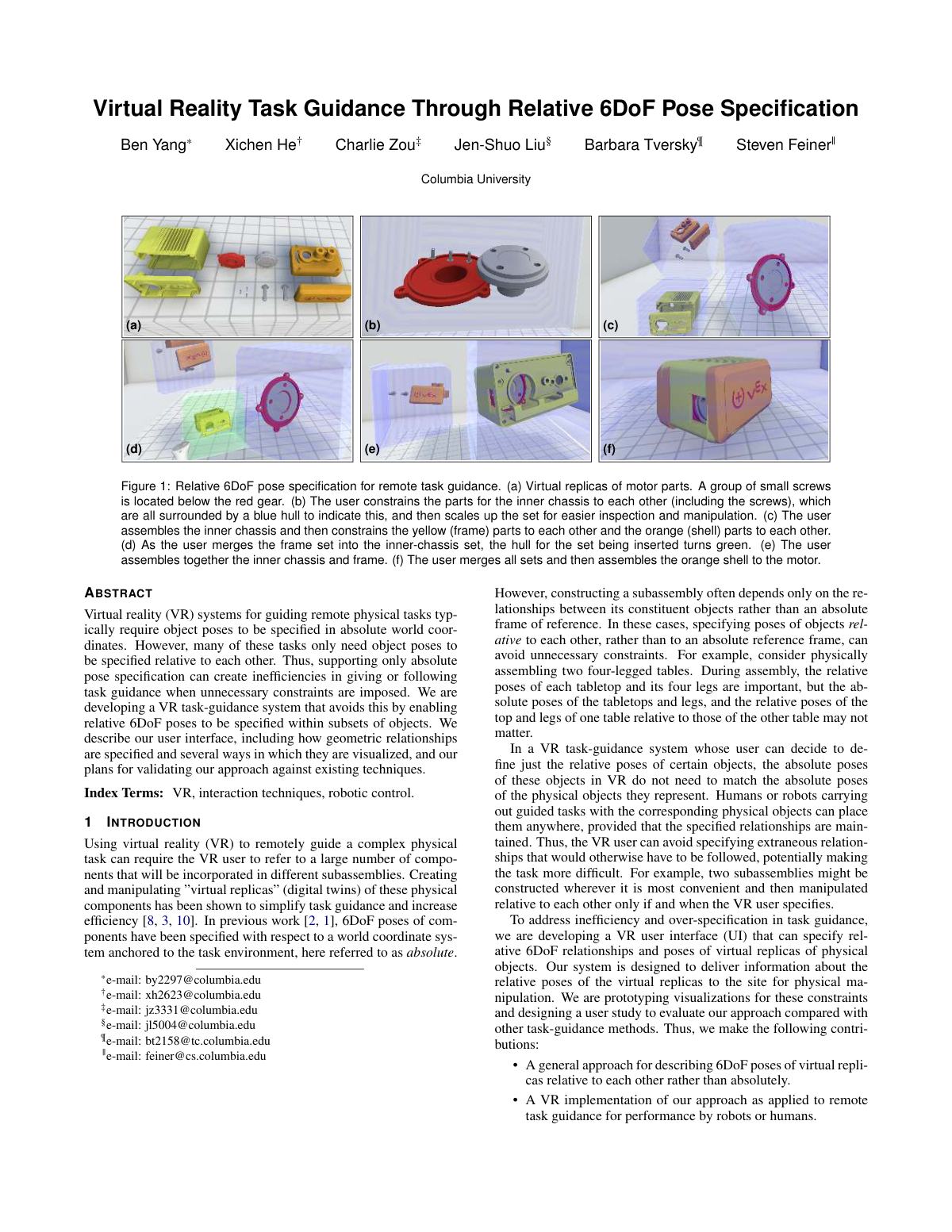
Virtual Reality Task Guidance Through Relative 6DoF Pose Specification
2025 IEEE International Symposium on Mixed and Augmented Reality Adjunct (ISMAR-Adjunct), 2025.
Abstract
Virtual reality (VR) systems for guiding remote physical tasks typically require object poses to be specified in absolute world coordinates. However, many of these tasks only need object poses to be specified relative to each other. Thus, supporting only absolute pose specification can create inefficiencies in giving or following task guidance when unnecessary constraints are imposed. We are developing a VR task-guidance system that avoids this by enabling relative 6DoF poses to be specified within subsets of objects. We describe our user interface, including how geometric relationships are specified and several ways in which they are visualized, and our plans for validating our approach against existing techniques.
My Journey
Loading the map…
The map is open in a window.
Hangzhou, China
Before 2017
The Daguan area of Gongshu District, Hangzhou, before leaving for high school in the United States in 2017.
-
place
Hangzhou, China
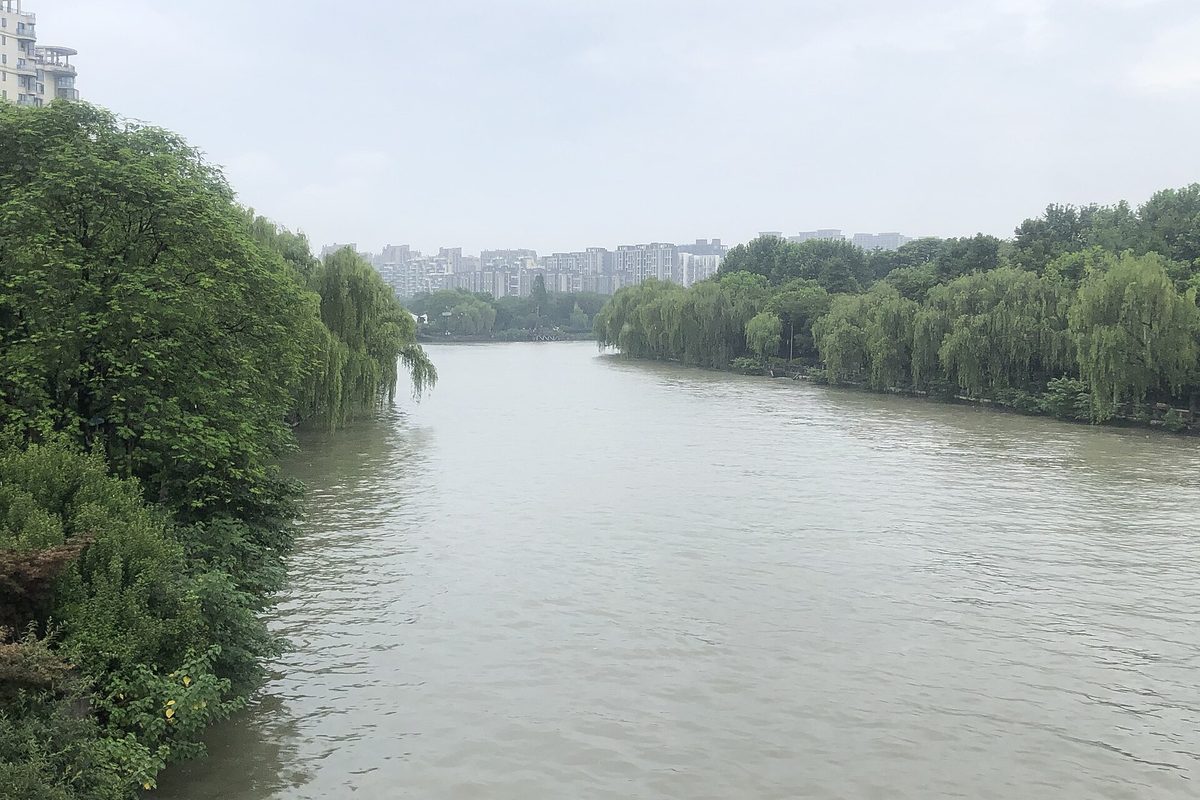
Home until 2017. Daguan, “the great pass”, is named for Beixinguan, the Ming-dynasty customs pass on the Grand Canal here.
Photo: 方的1P, CC BY-SA 4.0, cropped
-
photo
Gongchen Bridge on the Grand Canal
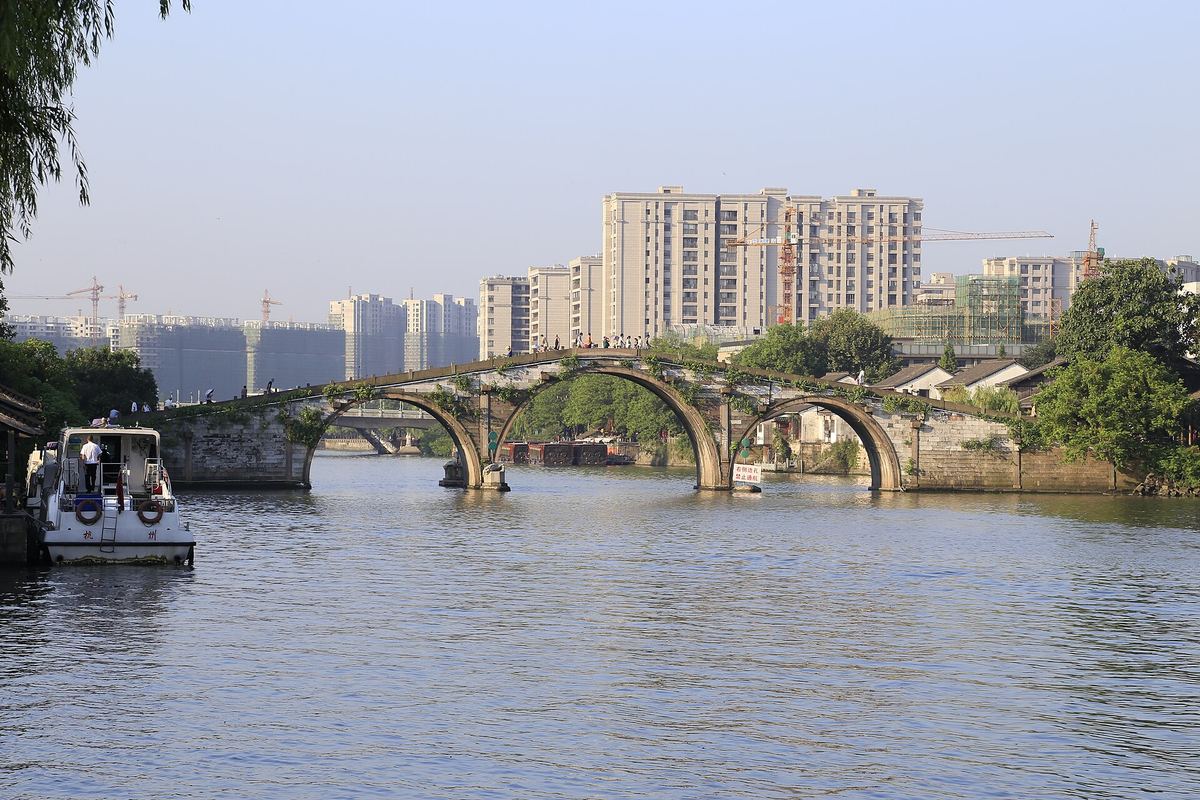
A three-arched stone bridge, first built in 1631 and rebuilt in 1885; it marks the end of the Grand Canal in Hangzhou.
Photo: Zhangzhugang, CC BY-SA 4.0
-
photo
Qiaoxi historic block
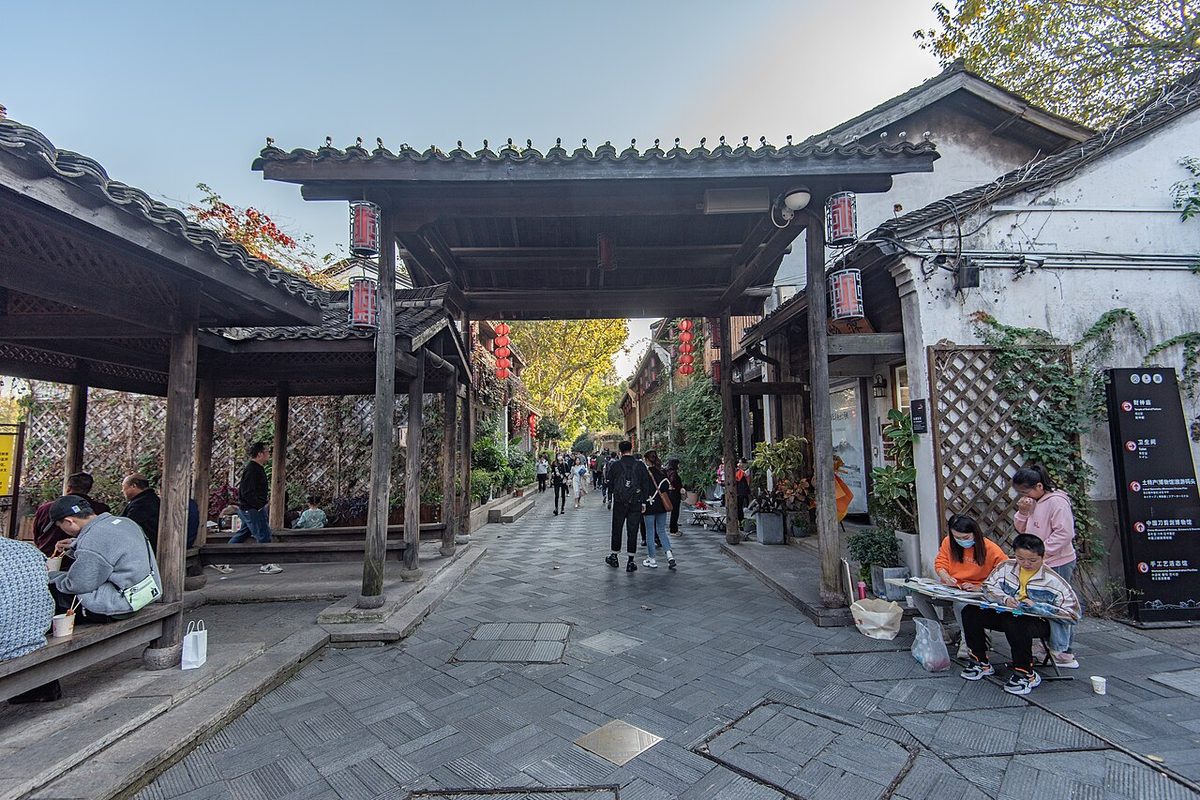
Old canal-side streets restored and opened in 2010, part of the Grand Canal World Heritage Site since 2014.
Photo: Siyuwj, CC BY-SA 4.0
-
photo
Xiangji Temple by the canal
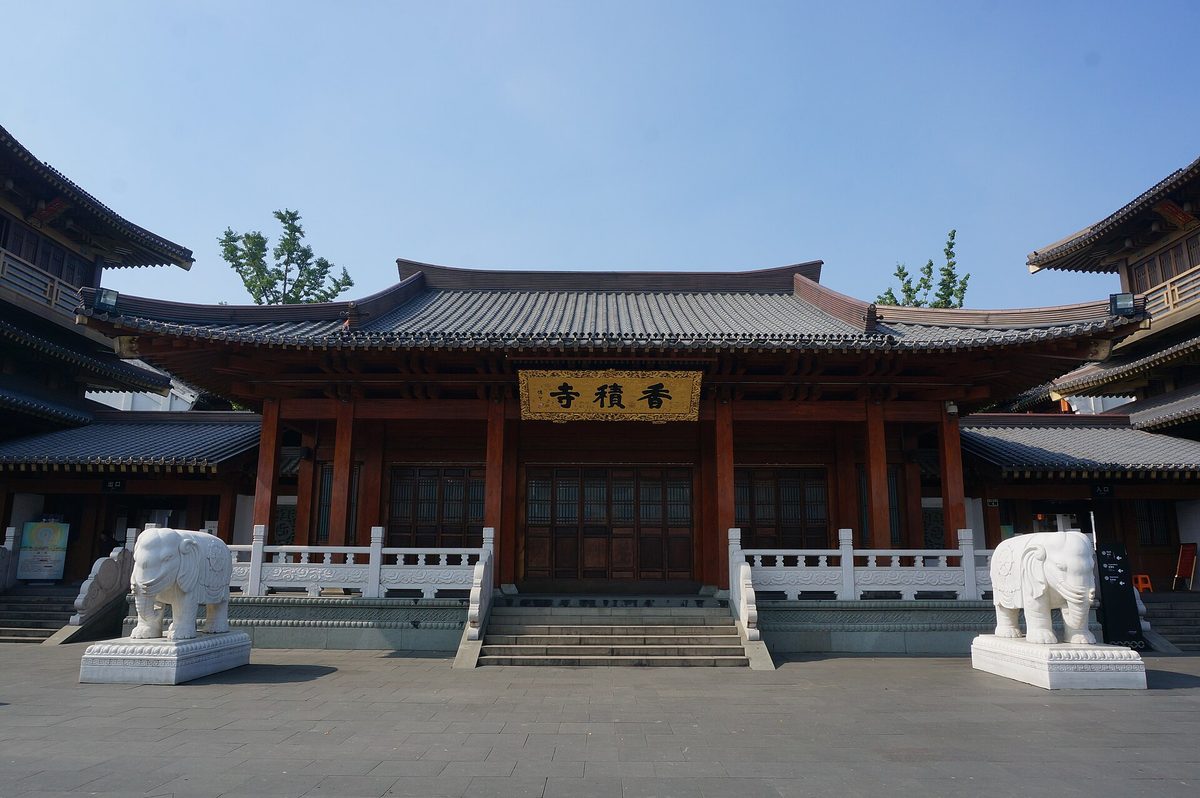
Founded in 978 and rebuilt in 2009–2010; one of its two Qing-dynasty stone pagodas survives.
Photo: 猫猫的日记本, CC BY-SA 4.0
-
photo
The Grand Canal by West Lake Cultural Square
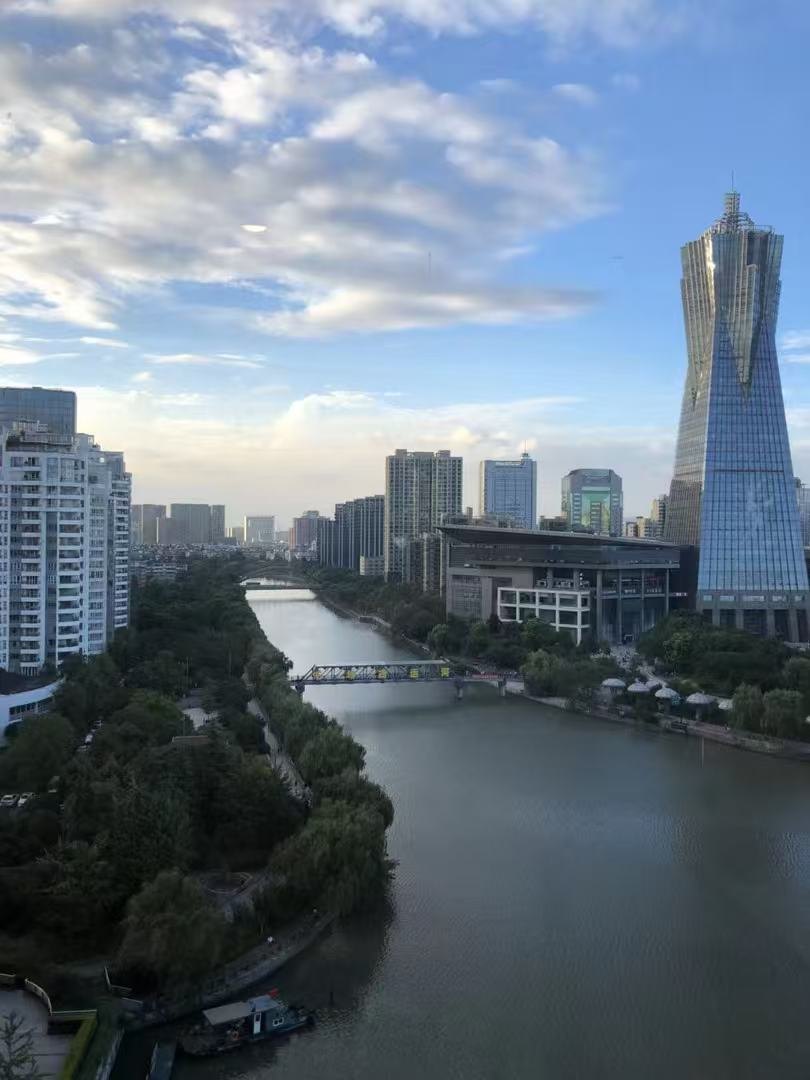
The tall tower on the right is the main building of West Lake Cultural Square, on the canal's bank.
Photo: Jiatuo Zou
Streets of Hangzhou: map data © OpenStreetMap contributors
- Hangzhou, China → Gongchen Bridge on the Grand Canal: Grand Canal
- Gongchen Bridge on the Grand Canal → Qiaoxi historic block: west of the bridge
- Hangzhou, China → Xiangji Temple by the canal: by the canal
- Hangzhou, China → The Grand Canal by West Lake Cultural Square: down the canal
Fort Lauderdale, Florida
2017 – 2021
Four years of high school at Westminster Academy in Fort Lauderdale, on the school's FIRST Robotics team, graduating as salutatorian in 2021.
-
place
Fort Lauderdale, FL
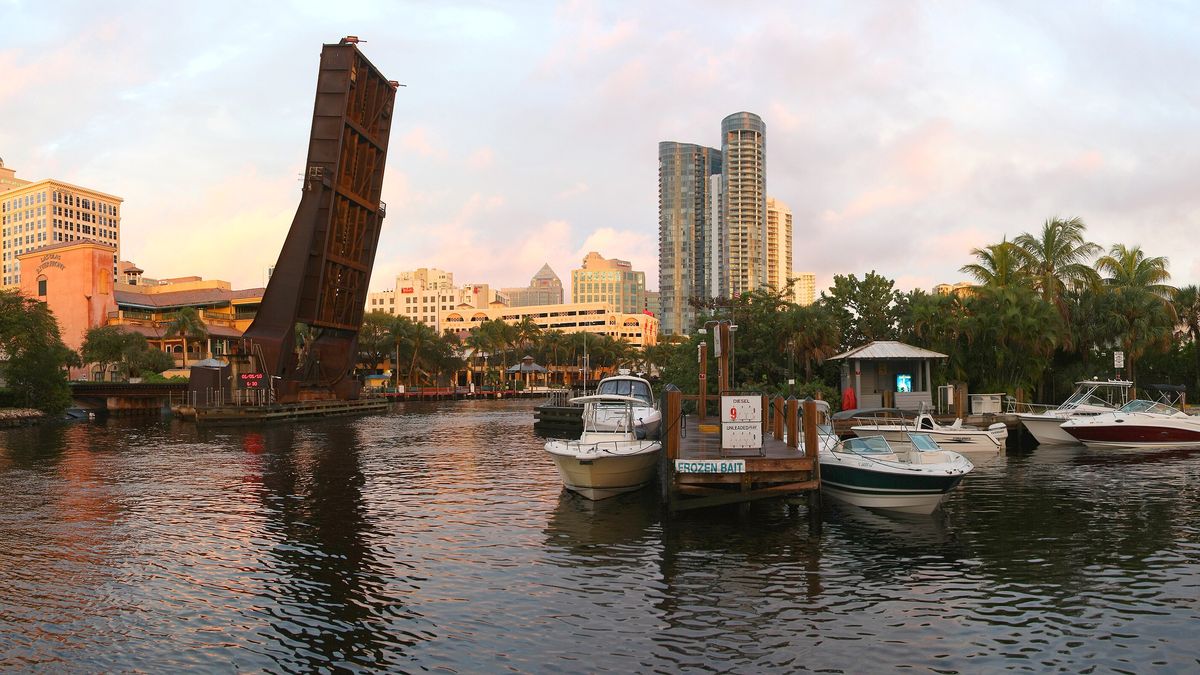
-
education
Westminster Academy
2017 – 2021
Four years of high school. Salutatorian, Class of 2021.
-
-
project
FRC Team 744
“Shark Attack”, Westminster Academy's FIRST Robotics Competition team.
-
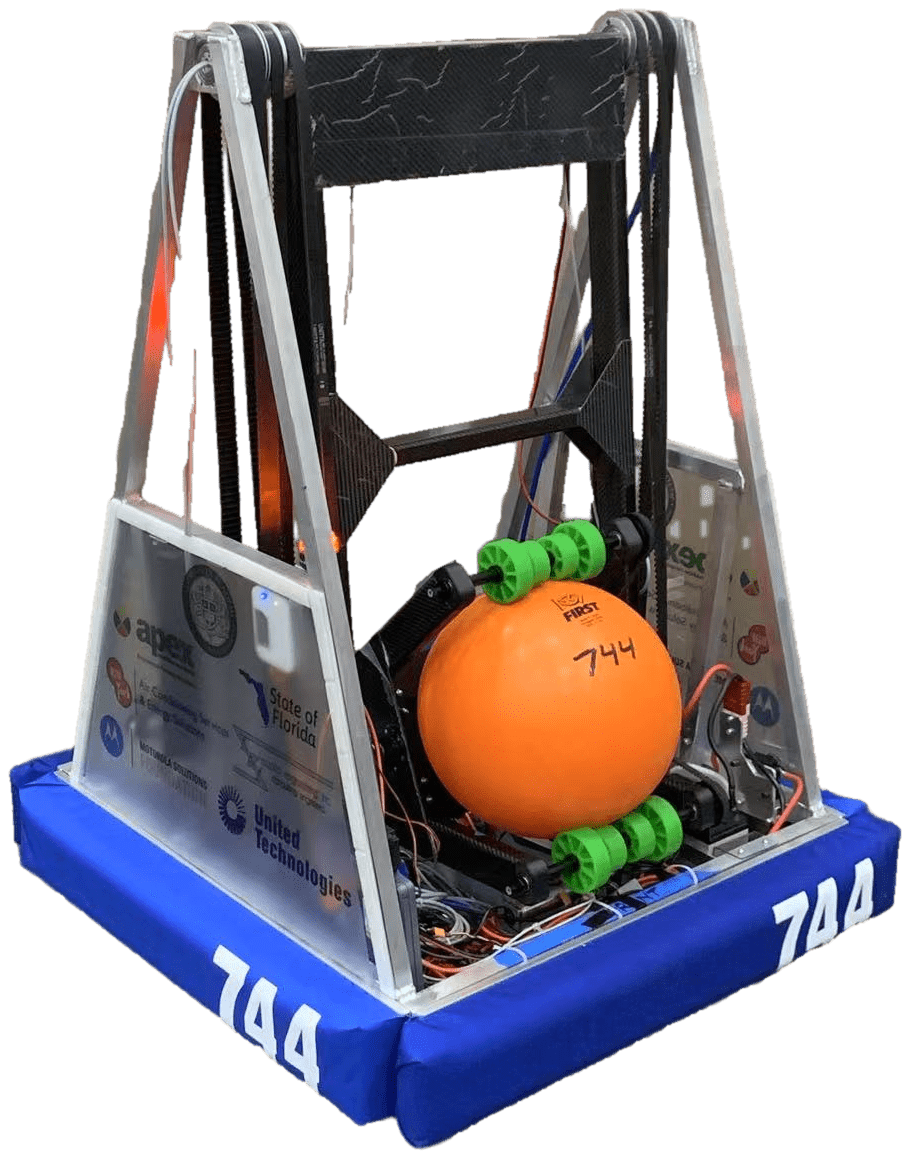
artifact
2019 robot · Destination: Deep Space
Image: Jiatuo Zou
-
-
photo
FRC Team 744 · Shark Attack
Photo: Jiatuo Zou
-
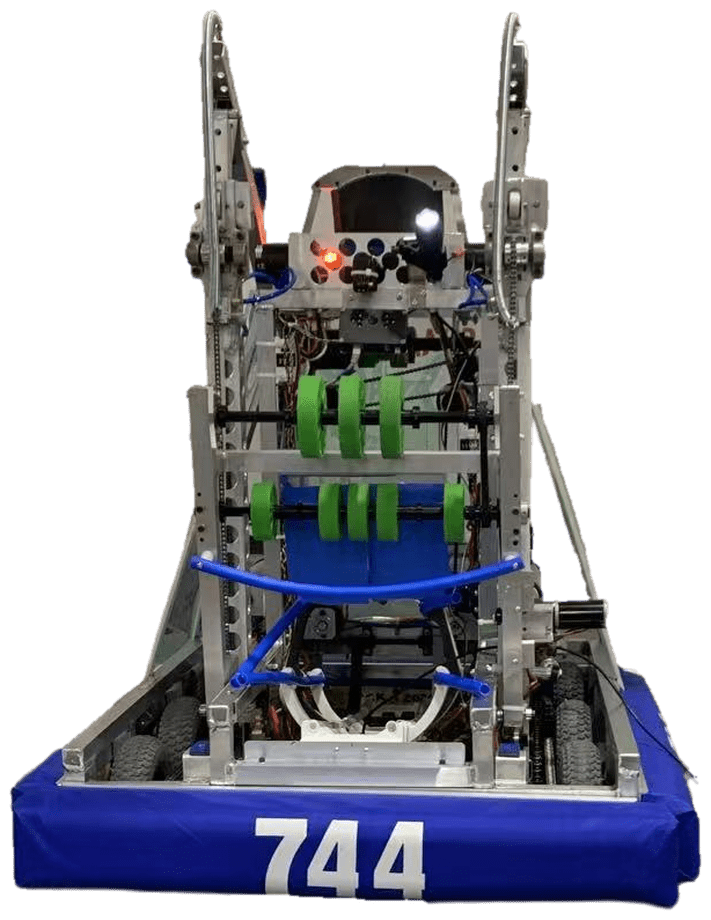
artifact
2020 robot · Infinite Recharge
Image: Jiatuo Zou
-
-
photo
The beach on the Atlantic

Photo: Daniel Dudek, CC BY 2.0
-
photo
Downtown skyline, 2015

Streets of Fort Lauderdale: map data © OpenStreetMap contributors
- Fort Lauderdale, FL → Westminster Academy: high school
- Fort Lauderdale, FL → The beach on the Atlantic: the coast
- Fort Lauderdale, FL → Downtown skyline, 2015: downtown
- Westminster Academy → FRC Team 744: robotics team
- FRC Team 744 → FRC Team 744 · Shark Attack: the team
Champaign, Illinois
Aug 2021 – May 2024
Undergraduate years at Illinois, with research in a data lab, course assisting, and game development, plus a hybrid internship in 2025.
-
place
Champaign, IL
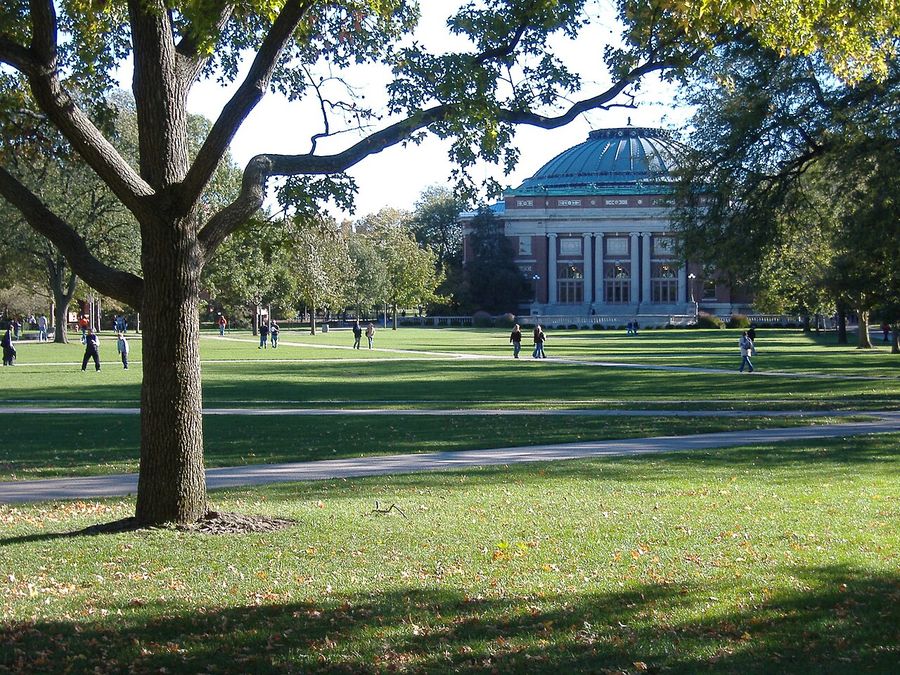
Photo: Amphylite, CC0
-

education
University of Illinois Urbana-Champaign
Aug 2021 – May 2024
Graduated with Highest Honors in Engineering; Dean's List.
-
lab
Forward Data Lab
Aug – Dec 2023
-
Projects (2)
-
project
LLM Context Augmentation
Aug – Dec 2023
A retrieval-augmented LLM pipeline (LangChain, Chroma) over papers and conversation history, evaluated with BLEU against ChatGPT references.
-
project
TrippinDark
Jan – May 2023
NPC behavior, two game levels, inventory, puzzles, and traps.
-
-
award
HackIllinois 2022
-
Work & teaching (2)
-
course
CS 361 Probability & Statistics
Aug 2023 – May 2024
-
work
PhinD
Jan – May 2025
File management on AWS S3, FastAPI services, and an embedding-based job recommender.
-
-
photo
Siebel Center for Computer Science
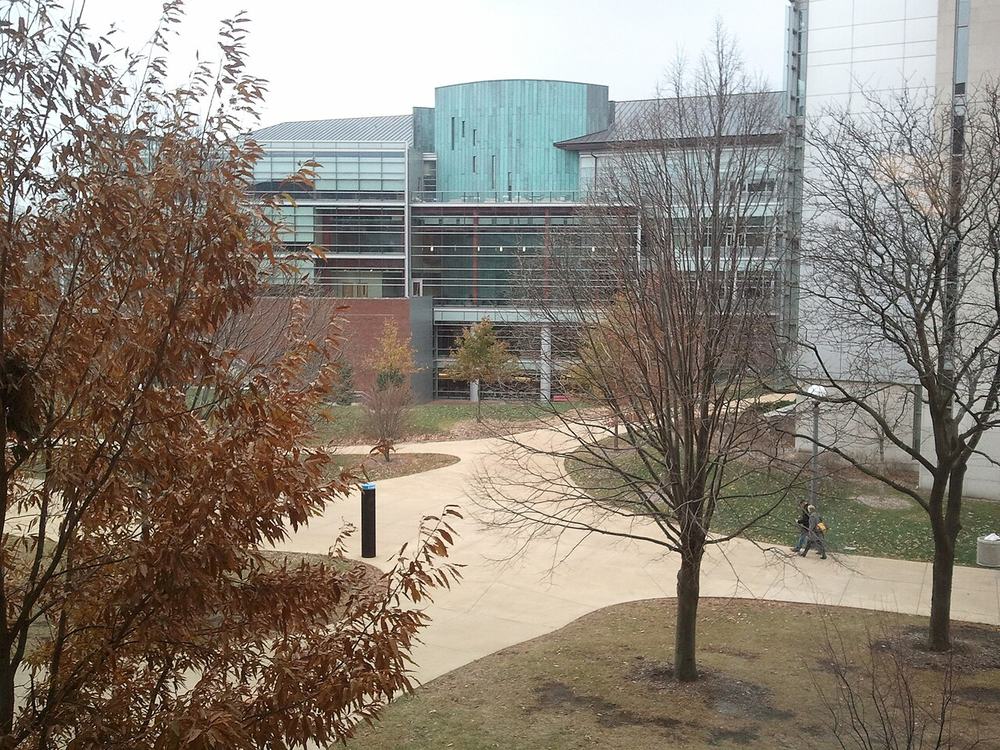
Photo: Joe Futrelle, CC BY-SA 2.0
-
photo
Grainger Engineering Library
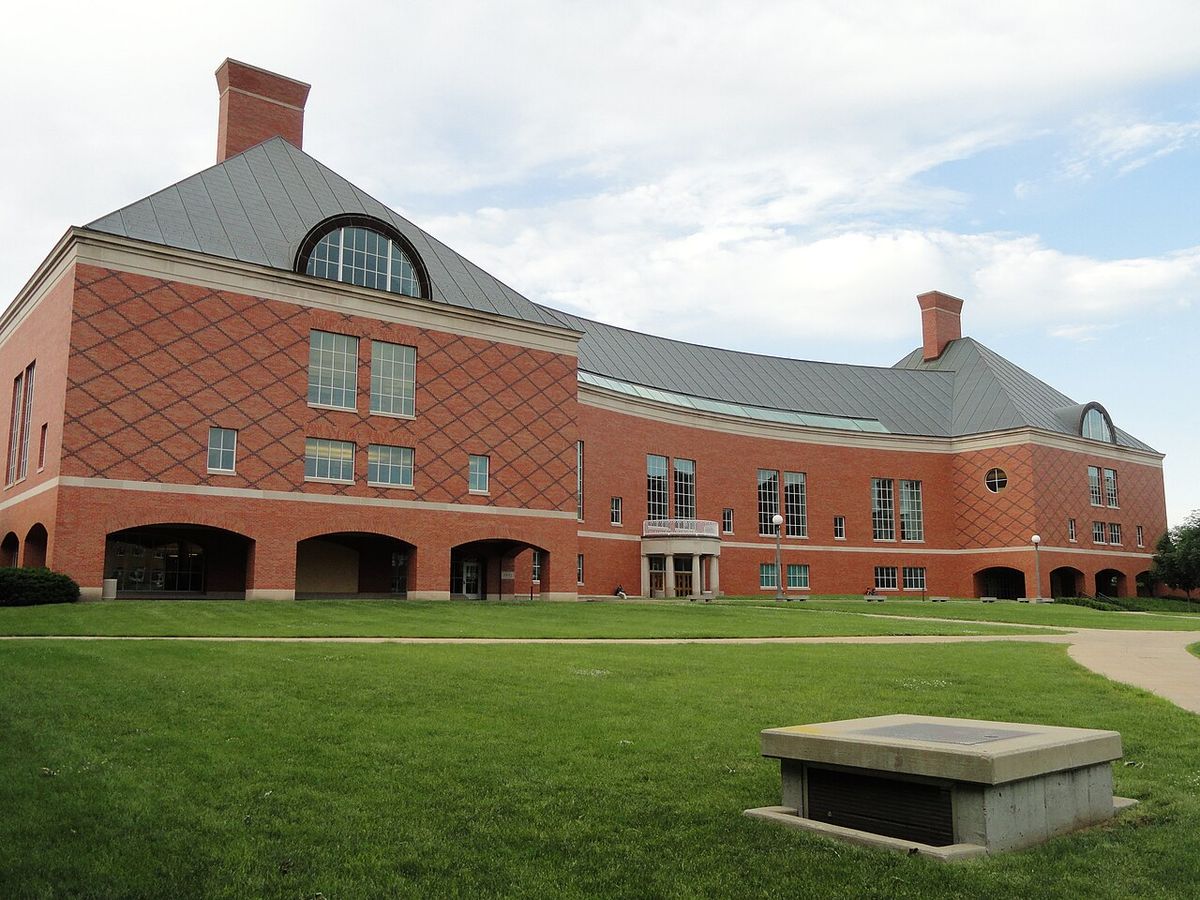
Photo: Daderot, public domain
Streets of Champaign: map data © OpenStreetMap contributors
- Champaign, IL → University of Illinois Urbana-Champaign: studied
- University of Illinois Urbana-Champaign → Forward Data Lab: research
- Forward Data Lab → LLM Context Augmentation: project
- University of Illinois Urbana-Champaign → TrippinDark: course project
- University of Illinois Urbana-Champaign → HackIllinois 2022: hackathon
- University of Illinois Urbana-Champaign → CS 361 Probability & Statistics: taught
- Champaign, IL → PhinD: hybrid internship
- University of Illinois Urbana-Champaign → Siebel Center for Computer Science: campus
- University of Illinois Urbana-Champaign → Grainger Engineering Library: campus
Hangzhou, China
May – Aug 2024
A summer leading a team that built a full-stack telemedicine health pod.
-
place
Hangzhou, China

Summer research at Hangzhou Dianzi University.
Photo: Windmemories, CC BY-SA 4.0
-
lab
Lab of Brain-Computer Intelligence
May – Aug 2024
-
project
IDTS Healthcare “Pod”
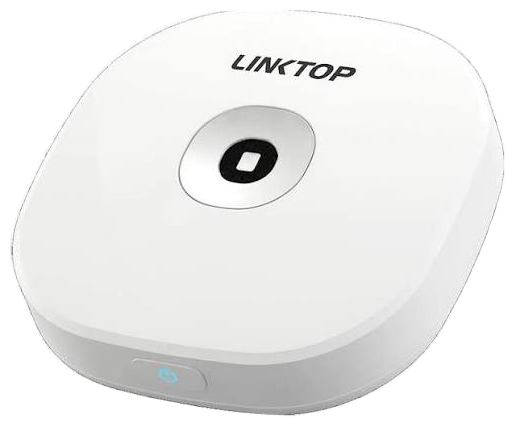
An onboard React web UI, WeChat mini-program, and MySQL backend, streaming ECG, temperature, blood pressure, SpO₂, and glucose readings over Bluetooth.
-
artifact
Linktop health monitor
Image: Linktop (product image, supplied by Jiatuo)
-
-
note
Team of 7
Planned 8-week milestones, weekly check-ins, and one-to-one development help.
-
photo
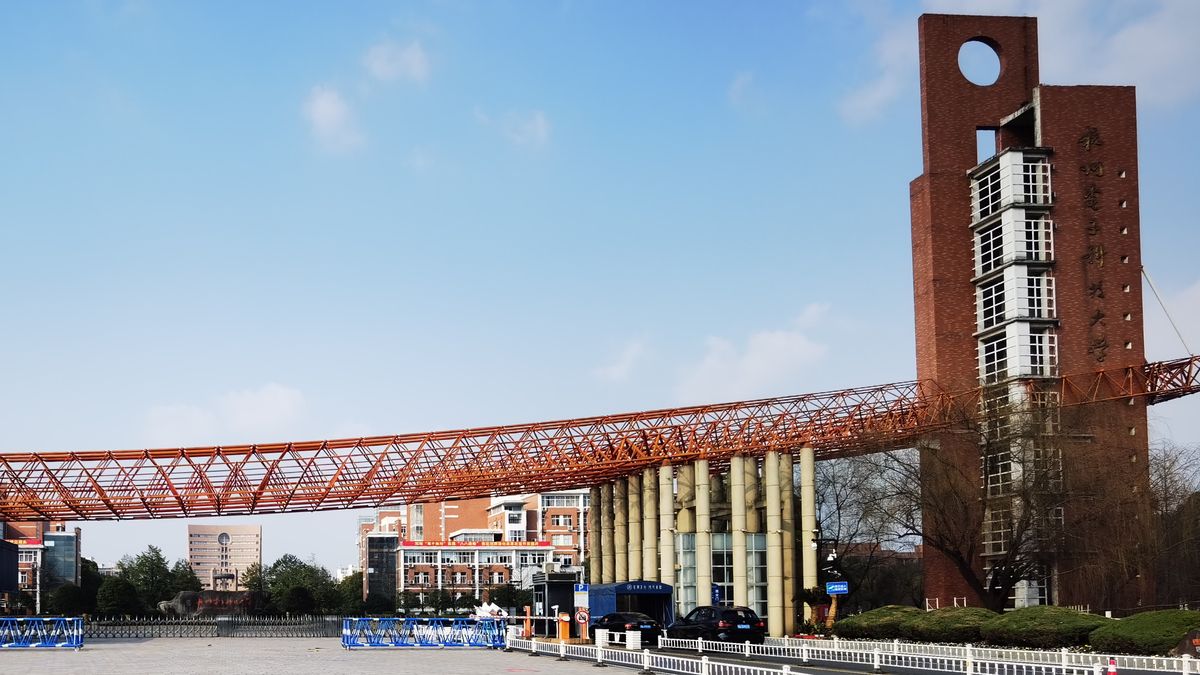
Hangzhou Dianzi University, main gate
-
photo
Xiasha from the air

Photo: Windmemories, CC BY-SA 4.0
Streets of Hangzhou: map data © OpenStreetMap contributors
- Hangzhou, China → Lab of Brain-Computer Intelligence: summer research
- Lab of Brain-Computer Intelligence → IDTS Healthcare “Pod”: project
- Team of 7 → IDTS Healthcare “Pod”: led
- Lab of Brain-Computer Intelligence → Hangzhou Dianzi University, main gate: university
- Hangzhou Dianzi University, main gate → Xiasha from the air: Xiasha
New York, New York
Sep 2024 – May 2026
Graduate study at Columbia and research across two labs on XR, robot teleoperation, and brain–computer interfaces.
-
place
New York, NY

Two labs, one city.
-

education
Columbia University
Sep 2024 – May 2026
-
lab
Computer Graphics & User Interfaces Lab
From Sep 2024
-
CGUI & co-authors (4)
-
person
Steven Feiner
-
person
Xichen He
-

person
Ben Yang
-

person
Barbara Tversky
Photo: Barbara Tversky | Faculty Profile | Teachers College, Columbia University
-
-
lab
Laboratory for Intelligent Imaging & Neural Computing
From May 2025
-
LIINC people (2)
-

person
Paul Sajda
-
person
Ziheng (Leo) Li
Photo: Leo Li | Laboratory for Intelligent Imaging and Neural Computing
-
-
Papers (5)
-
-
-
-
-
-
-
paper
Cascade
Under review
-
-
-
Courses (2)
-
project
Dungeon Builder / Crawler
Jan – May 2025
Mobile AR level building with hierarchical placement constraints, played in VR.
-
course
COMS 4731 Computer Vision I
Sep – Dec 2025
-
-
photo
Butler Library across South Lawn
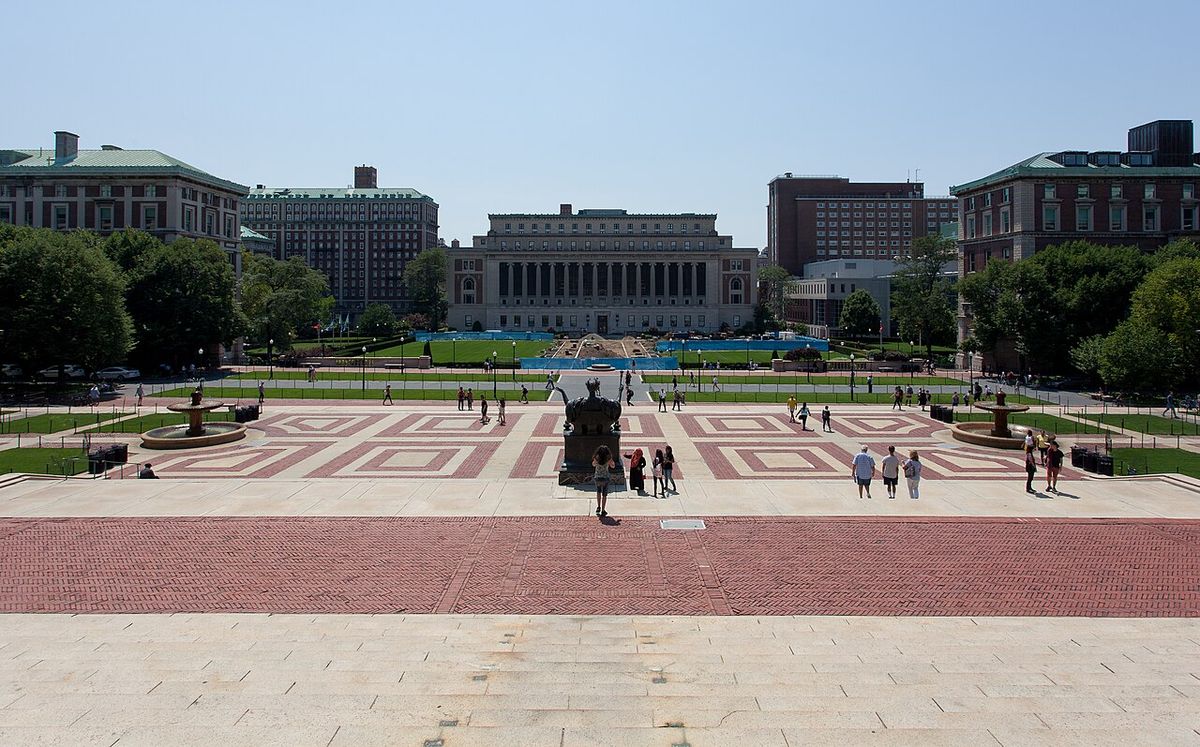
Photo: Marco Almbauer, CC0



Streets of New York: map data © OpenStreetMap contributors
- New York, NY → Columbia University: studied
- Columbia University → Computer Graphics & User Interfaces Lab: research
- Columbia University → Laboratory for Intelligent Imaging & Neural Computing: research
- Columbia University → COMS 4731 Computer Vision I: taught
- Columbia University → Dungeon Builder / Crawler: course project
- Columbia University → Butler Library across South Lawn: campus
- Computer Graphics & User Interfaces Lab → Steven Feiner: lab
- Laboratory for Intelligent Imaging & Neural Computing → Paul Sajda: lab
- Laboratory for Intelligent Imaging & Neural Computing → Ziheng (Leo) Li: lab
- Laboratory for Intelligent Imaging & Neural Computing → OLIVE: project
- Paul Sajda → OLIVE: senior author
- Ziheng (Leo) Li → OLIVE: co-first author
- Xichen He → OLIVE: co-first author
- Xichen He → Delegate the Details: co-author
- Computer Graphics & User Interfaces Lab → VR Task Guidance: poster
- VR Task Guidance → Bimanual XR Assembly Hierarchies: relative 6DoF poses
- Bimanual XR Assembly Hierarchies → Delegate the Details: assembly constraints
- Ben Yang → Delegate the Details: first author
- Ben Yang → Cascade: first author
- Barbara Tversky → Delegate the Details: co-author
- Computer Graphics & User Interfaces Lab → Cascade: project
- Dungeon Builder / Crawler → Delegate the Details: also hierarchical placement
Evanston, Illinois
Jun 2026 – present Now
Research at Northwestern's SPICE Lab on wearable sensing and AI agents that adapt to people and places.
-
place
Evanston, IL
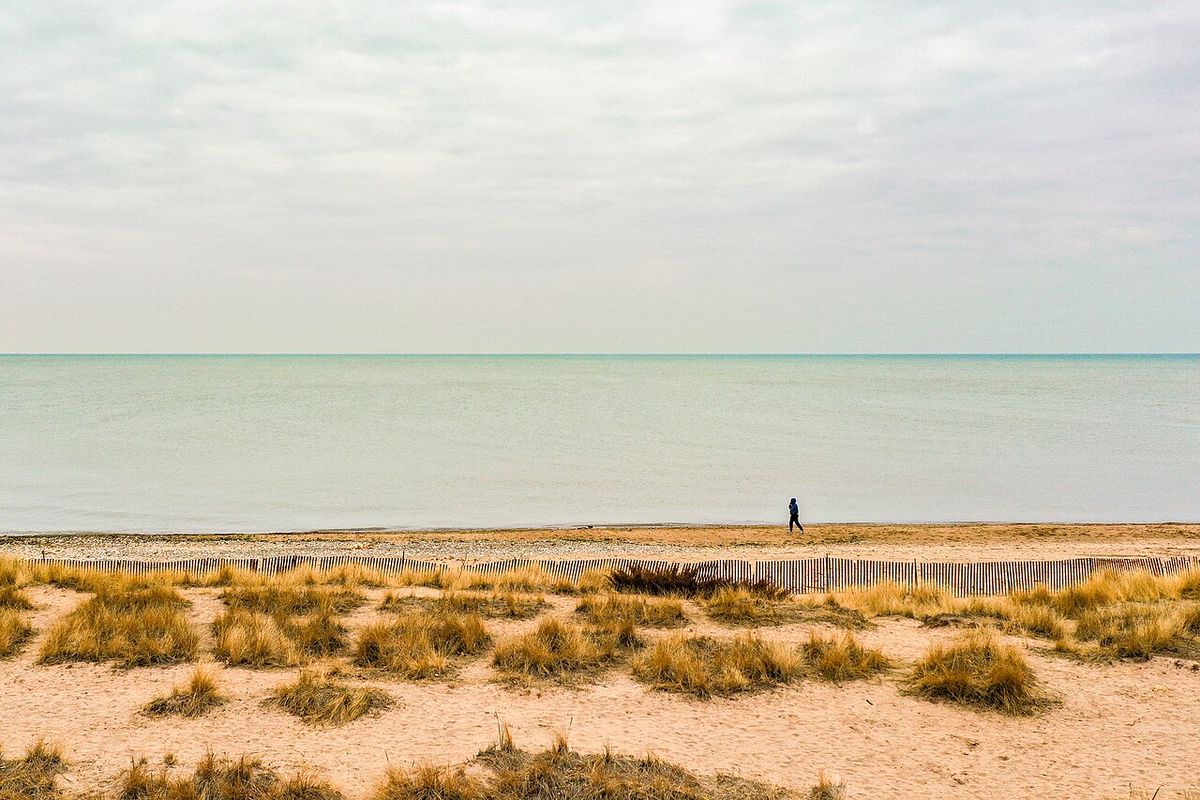
Where I am now.
Photo: Paul R. Burley, CC BY-SA 4.0
-
lab
SPICE Lab
Jun 2026 – present
-

person
Karan Ahuja
-
Projects (3)
-
project
SensorClaw
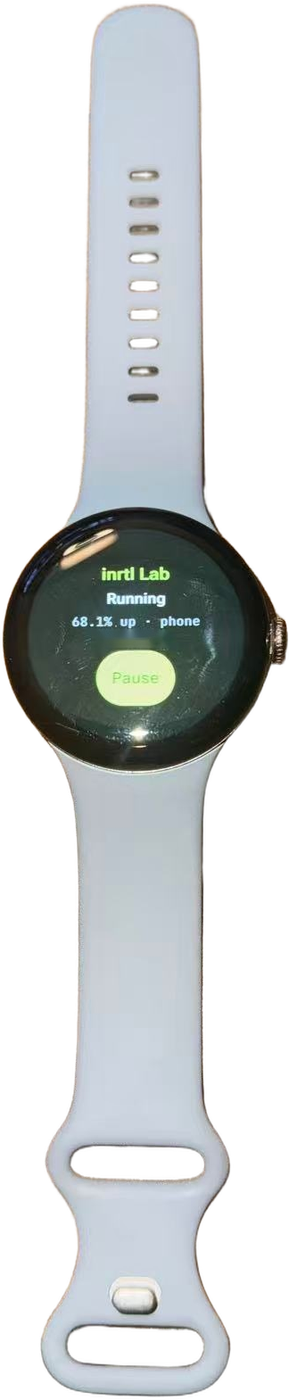
Turns a one-sentence request (“Buzz me when I knock the table”) into a personal smartwatch gesture tracker, using a multi-agent LLM pipeline that trains a personal IMU detector.
-
artifact
Pixel Watch
Image: Jiatuo Zou
-
-
project
Spatial Memory
Agent-assisted handoff notes anchored to objects, places, and projects in shared workspaces.
-
project
EIT + IMU Hand Pose
2026
Synchronized wrist EIT and IMU data with motion-capture ground truth for wearable hand-pose estimation.
-
-
photo
University Hall
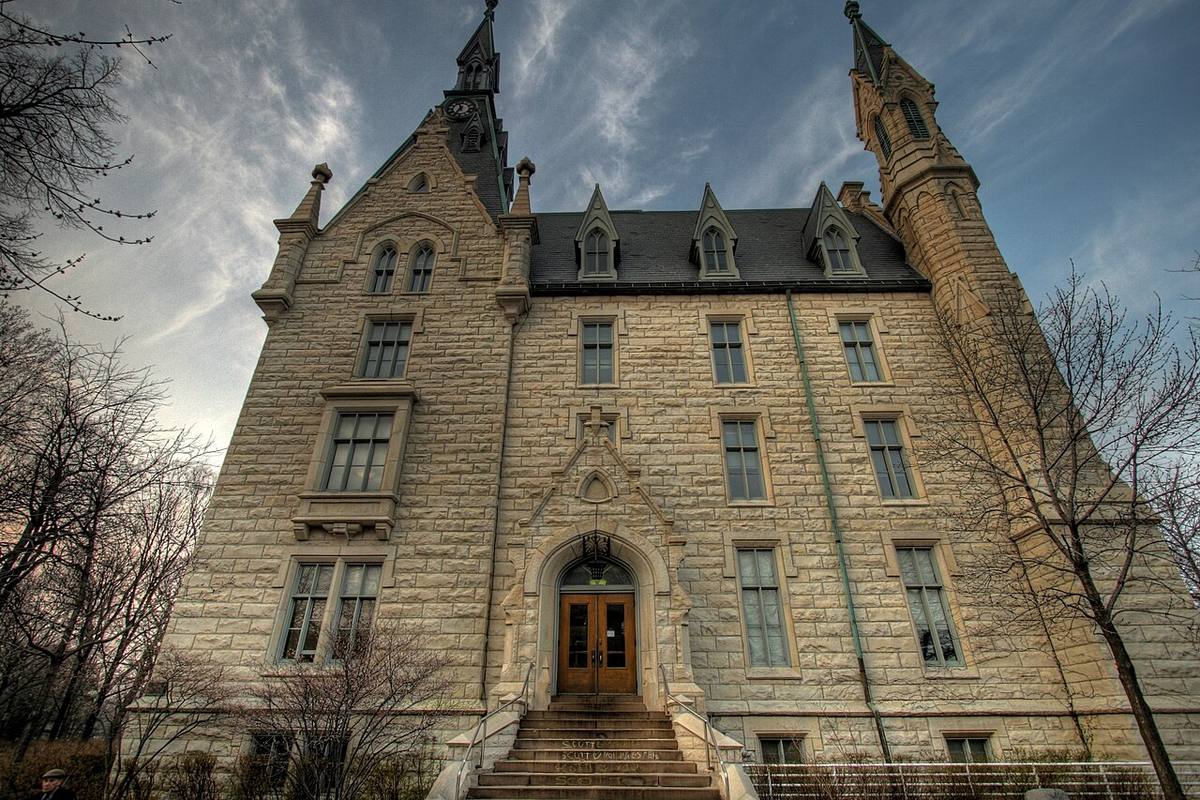
Photo: Madcoverboy, CC BY-SA 3.0
-
photo
Deering Library
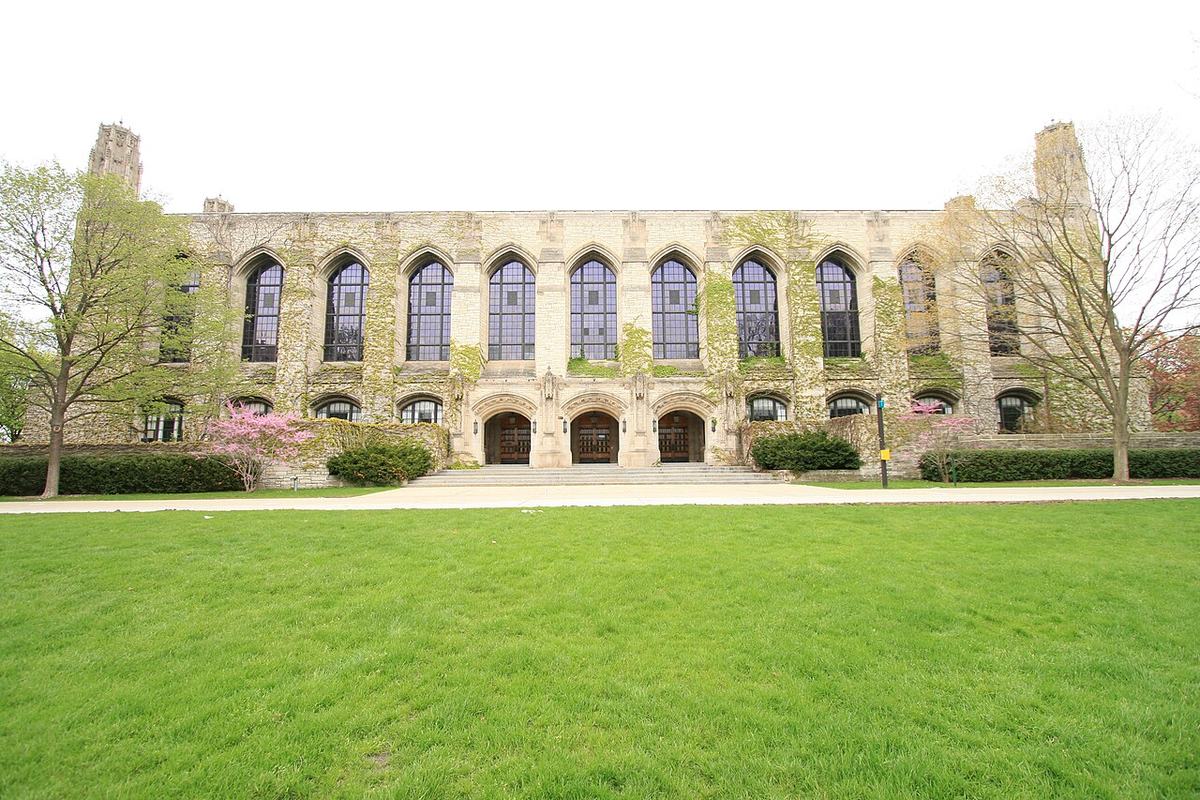
Photo: Madcoverboy, CC BY-SA 3.0
-
photo
The Technological Institute plaza in autumn
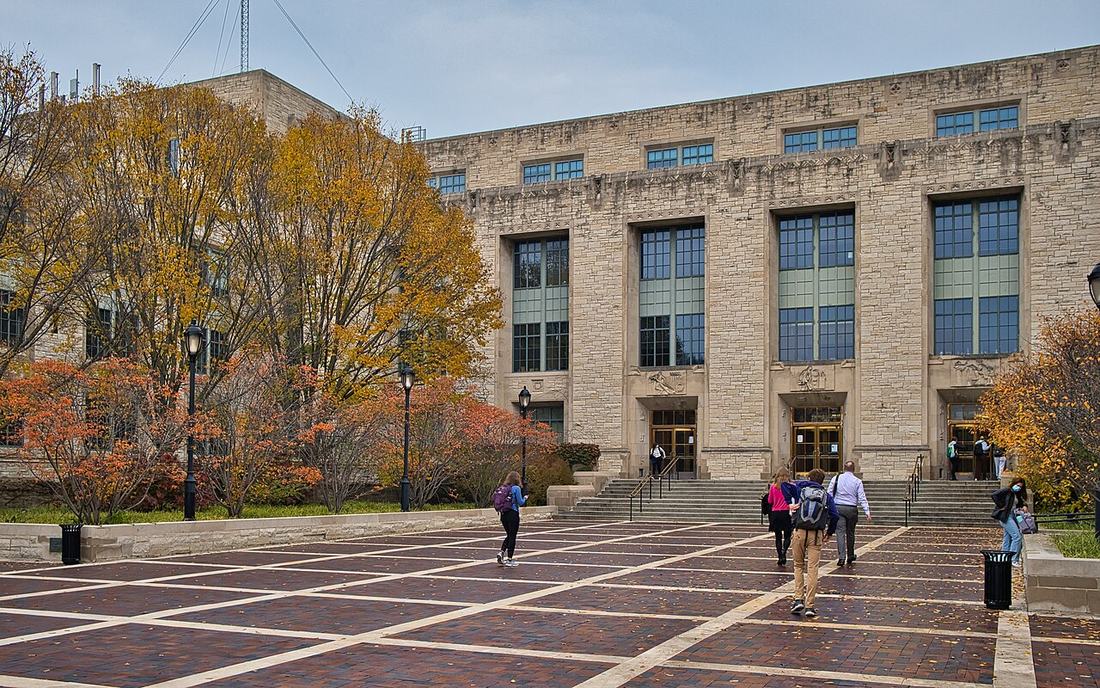
Photo: Chris Rycroft, CC BY 2.0
-
note
Next stop?
Applying to PhD programs now.


Streets of Evanston: map data © OpenStreetMap contributors
- Evanston, IL → SPICE Lab: research
- SPICE Lab → Karan Ahuja: advisor
- SPICE Lab → SensorClaw: project
- SPICE Lab → Spatial Memory: project
- Evanston, IL → EIT + IMU Hand Pose: research project
- SensorClaw → EIT + IMU Hand Pose: also wrist IMU
- SPICE Lab → University Hall: Northwestern
- Evanston, IL → Next stop?: next